

Care Guide
1. Light: Ideal with bright, indirect light. Avoid direct, hot sun will scorch the leaves and fade the color. Too little light will result in few to no blooms and leggy growth.
2. Water: The golden rule water thoroughly when the top 1-2 inches of soil feel dry to the touch. They like to be kept evenly moist but not soggy. Yellow leaves often mean overwatering. Drooping or browning leaf tips usually mean underwatering. Always use a pot with drainage holes.
3. Temperature & Humidity: They thrive in normal household temperatures (18°C – 27°C). Protect them from drafts and sudden temperature drops. As tropical plants, they love high humidity (>50%). You can increase humidity by using a tray filled with water, grouping plants together, using a humidifier (most effective).
4. Fertilizing: Feed every 6-8 weeks during the growing season (spring and summer) with a balanced, water-soluble fertilizer (diluted to half-strength) or a fertilizer high in phosphorus to encourage blooming. Reduce or stop fertilizing in fall and winter.
Encouraging More Blooms
If your anthurium has stopped flowering, it’s usually a light issue.
Increase Light: Move it to a brighter spot with indirect light.
Fertilize Properly: Use a fertilizer high in phosphorus (the middle number on the fertilizer package, e.g., 15-30-15).
Be Patient: It can take a few months for a new flower to fully develop.
Common Problems & Solutions
Brown Leaf Tips: Low humidity or underwatering.
Yellow Leaves: Overwatering is the most common cause.
No Flowers: Insufficient light.
Brown Spots on Leaves: Could be sunburn (if crispy) or a bacterial/fungal issue (if soft or with a yellow halo).
Toxic: Yes, anthuriums contain calcium oxalate crystals. These are toxic to cats, dogs, and humans if ingested, causing mouth irritation and digestive upset. Keep them out of reach of pets and children.
⚠️ Notes
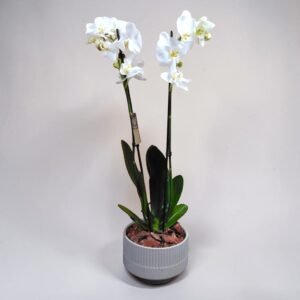
- The pot is included (glass, ceramic, or fiber).
- Due to seasonal availability, specific flowers may vary, but the overall theme and style of your arrangement will remain unchanged.
- Kindly check the product upon receipt before our delivery associate leaves.


Reviews
There are no reviews yet.